Important Pointers for Moderate Automobile Repair: Cut Hours and Money
Pinpointing cost-effective auto repair can be a demanding challenge for many car owners. With numerous possibilities available, it is important to pursue the process thoughtfully. By studying area repair professionals and recognizing car maintenance priorities, persons can avoid superfluous expenditures. There are also ways to tackle minor issues on their own. However, the journey doesn't end there; reviewing supplementary savings strategies can lead to even greater savings. What strategies might be worth considering next?
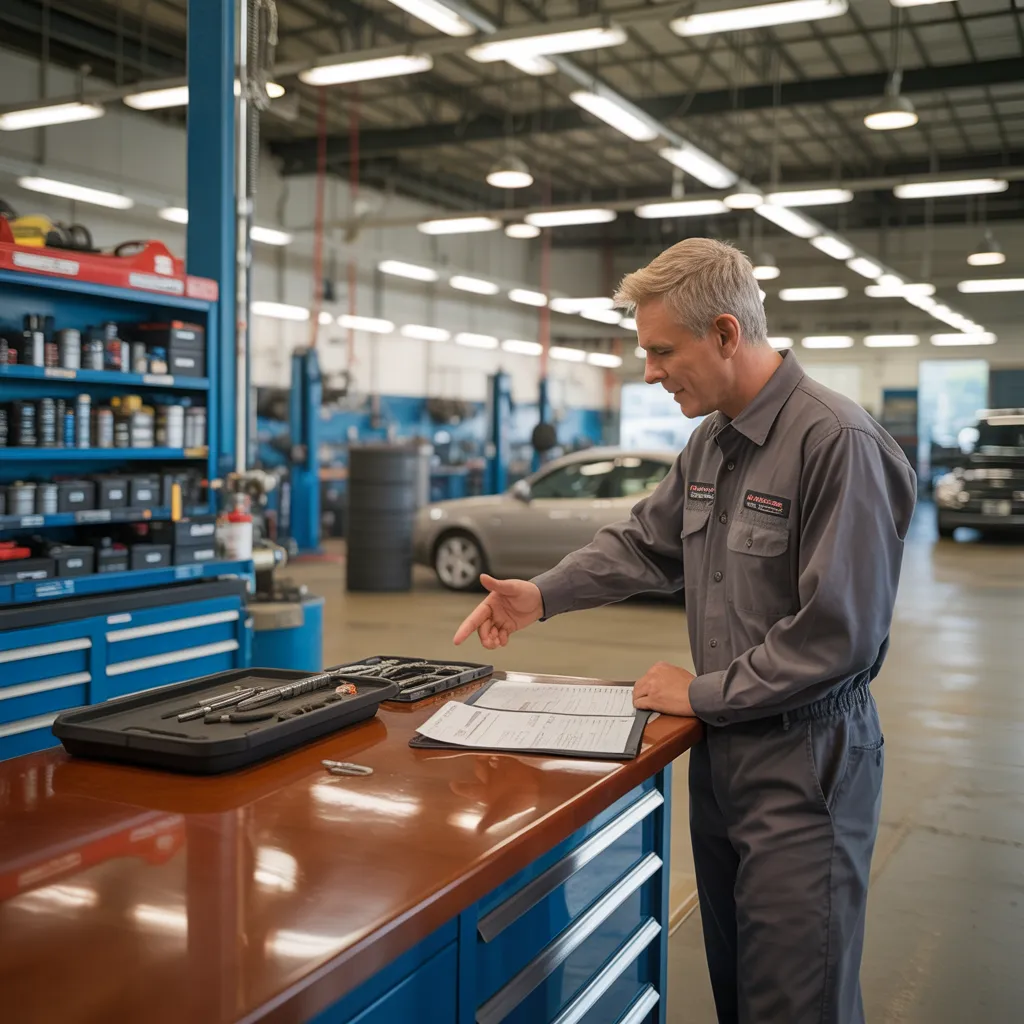
Study and Differentiate Local Mechanics
When looking for affordable auto repair, it is necessary to research and compare local mechanics to confirm the best value for service. A detailed study involves examining online reviews, ratings, and testimonials to assess the quality of service provided. Consumers should also inquire about the certifications and experience of the explore mechanics, as this can profoundly affect the reliability of repairs.
In addition, obtaining rate quotes from multiple locations provides insight into the average costs for specific services. This comparison serves to uncover any unusually high or conspicuously discounted prices. Moreover, meeting with mechanics in person allows a better review of their dedication and customer service, which are indispensable factors in developing trust.
In the end, careful research and comparison empower vehicle owners to reach sound conclusions, ensuring they pick a mechanic who delivers both quality repairs and competitive rates, thereby cutting costs in the extended term.
Discover your vehicle's maintenance demands
How can car owners guarantee their cars remain in peak condition? Grasping a vehicle's maintenance needs is vital. Each car comes with a maker's service plan, detailing when specific services should be performed. This schedule usually features oil changes, tire rotations, brake inspections, and fluid replacements. Adhering to these recommendations helps prevent costly repairs down the line.
Additionally, proprietors should recognize warning signs indicating potential issues, such as unusual noises or warning indicators. Frequently inspecting fluid levels, tire pressure, and the state of belts and tubes can also extend a car's life expectancy.
Use DIY repairs for small issues
Grasping a car's service requirements creates the groundwork for proper vehicle maintenance, yet many small problems can be handled through do-it-yourself fixes. For example, jobs like changing windshield wipers, replacing air filters, or topping off fluids can be readily handled by car owners. DIY repairs not only save money on labor costs but also empower individuals to gain a deeper understanding of their vehicles.
Internet materials, including tutorial videos and forums, offer valuable guidance for those inexperienced with car maintenance. Basic tools, like wrenches, screwdrivers, and pliers, are often sufficient for these straightforward repairs. Additionally, performing regular upkeep of minor issues can stop them from escalating into more significant problems, ultimately extending the vehicle's lifespan. By implementing a DIY approach, car owners can effectively handle their maintenance needs while reducing expenses and enhancing their overall automotive knowledge.
Discover Discounts and Promotions
What tactics can car owners employ to save on repair costs? One effective approach is to actively seek out special offers and deals offered by auto repair shops. Many companies provide periodic promotions, rewards programs, or referral discounts that can greatly reduce repair expenses. Car owners should also subscribe to email updates or track social media pages of local repair shops, as these often showcase exclusive deals.
Also, making use of online coupon platforms can uncover limited-time offers that can be used to repairs. Car owners may observe that some manufacturers or parts suppliers extend rebates on certain services, which can further support in cutting costs. By spending the time to research and stay vigilant about current promotions, car owners can reduce money while ensuring their vehicles remain in good condition. Overall, being strategic in seeking discounts can lead to major savings on necessary auto repairs.
Create a Thorough Maintenance Documentation
Keeping a detailed record of vehicle maintenance is essential for car owners looking to lower repair costs. By documenting every service and repair, owners can track the auto's record, recognizing patterns that may reveal hidden complications. This record serves as a important resource for mechanics, permitting them to reach sound conclusions about required upkeep and service intervals.
Regular entries including oil maintenance, tire services, and brake examinations help guarantee that the automobile remains in excellent condition. Additionally, documenting maintenance can assist in warranty claim submissions, as it confirms adherence to the prescribed service intervals by the manufacturer.
Furthermore, a comprehensive log can provide leverage when negotiating repair prices, as it showcases preventive upkeep activities. Ultimately, maintaining a well-organized service log not only extends your car's lifespan but also enables drivers to make smarter financial decisions regarding their vehicle maintenance requirements.
Common Queries Asked Regularly
What Techniques Should I Take to Discover a Trustworthy Mechanic?
To locate a reliable technician, one should ask for referrals, check ratings, validate expertise, and assess facility condition. Engaging in open communication about pricing and maintenance also encourages honesty and creates faith in the mechanic's expertise.
What Are Typical Symptoms My Car Demands Repairs?
Common signs a car needs repairs include strange sounds, warning lights on the dashboard, poor performance, fluid leaks, and changes in handling or braking. Addressing these issues promptly can prevent further damage and higher repair costs.
Would Original Parts or Aftermarket Parts Be the Best Choice?
Using manufacturer parts guarantees correct fit and dependability, while substitute parts may provide cost savings. The choice depends on individual circumstances, available funds, and the specific repair, weighing ongoing value against short-term costs for greatest outcomes.
How Can I Deal With Disagreements Involving a Repair Shop?
To address disagreements with a repair shop, one should track all communications, accumulate evidence, and explicitly convey concerns. If necessary, advancing the concern to executives or seeking third-party resolution can help resolve conflicts effectively.
What Is the Mean Cost of Frequent Fix-ups?
The typical expense of standard vehicle repairs varies considerably. For example, brake pad changes typically ranges from $150 to $300, while engine analysis may cost between $100 and $200, based on the vehicle and location.